5 Key Considerations When Hiring House And Garage Demolition In Los Angeles CA Contractors
Interior Selective Demolition In Los Angeles CA
Interior selective demolition in Los Angeles, CA, presents a methodical approach to renovation. This strategy concentrates on the cautious elimination of specific aspects within a framework, permitting for modernization while maintaining the building's general honesty. By targeting non-load-bearing attributes, the procedure minimizes waste and boosts security. The effectiveness of this approach depends significantly on the contractor selected for the project. Understanding the subtleties of this procedure is vital for successful end results.
What Is Interior Selective Demolition?
Interior selective demolition refers to the targeted elimination of specific architectural elements within a building, such as components, wall surfaces, and ceilings, while preserving the integrity of the staying framework. This process enables remodellings, upgrades, or repurposing of rooms without the demand for total demolition. Commonly employed in domestic and commercial settings, selective demolition decreases waste and disruption, focusing on areas that need adjustment.
Contractors utilize different strategies and devices to guarantee that only designated components are removed, typically calling for skilled labor to navigate intricate structural considerations. Security procedures are paramount, as prospective hazards such as asbestos or architectural instability may exist. This approach is particularly helpful in metropolitan settings like Los Angeles, where room is restricted, and preserving existing style can be essential. By very carefully executing selective demolition, building proprietors can accomplish desired changes while maintaining the general structure and character of their structures.
Benefits of Interior Selective Demolition
Selective demolition uses many advantages for residential property owners and designers. This technique permits the targeted removal of specific indoor components while protecting the total structural stability of a building. By concentrating on just the required locations, homeowner can lessen waste and decrease the ecological impact connected with conventional demolition techniques.
Additionally, selective demolition commonly brings about set you back financial savings, as it removes the need for considerable restoration or full-scale demolition. It additionally accelerates the remodelling process, enabling quicker job turnaround times, which is critical in a competitive actual estate market.
Additionally, selective demolition facilitates the recycling and repurposing of products, adding to sustainability efforts. This technique can additionally enhance safety by decreasing the threat of harmful material direct exposure. Eventually, the benefits of selective demolition align with modern building and construction methods, making it a recommended option for several in Los Angeles' progressing residential or commercial property landscape.
Usual Applications in Residential Spaces
In residential spaces, selective demolition typically discovers its application in kitchen and shower room remodels, where out-of-date fixtures and cabinets require removal without jeopardizing bordering frameworks. Homeowners frequently look for to improve these areas while maintaining the stability of the existing design. This procedure permits the critical elimination of countertops, walls, and appliances, assisting in a fresh style while preserving beneficial pipes and electric work.
An additional preferred application is in the elimination of non-load-bearing wall surfaces to develop open-concept living locations. This improves the flow of area and enhances all-natural light distribution throughout the home. Furthermore, selective demolition can be vital in the revitalization of basements and attics, where old insulation and floor covering may be eliminated to make way for brand-new living rooms. On the whole, selective demolition gives home owners with the chance to transform their residences successfully while decreasing waste and interruption.
Applications in Industrial Remodellings
While services typically aim to develop welcoming atmospheres for customers and workers alike, selective demolition plays an important duty in industrial improvements. This procedure allows for the targeted elimination of details interior components, such as ceilings, wall surfaces, and components, without endangering the whole structure.
In retail spaces, selective demolition can assist in the reconfiguration of layouts to boost customer circulation and maximize product presence. Offices frequently use this strategy to produce open layout, cultivating partnership and modern-day appearances. Additionally, dining establishments may participate in selective demolition to update their atmosphere or expand dining locations, straightening with present patterns.
Selective demolition not only minimizes waste but also reduces improvement timelines, making it possible for services to resume quickly and successfully. By concentrating on essential modifications, business can attain significant improvements while keeping operational continuity - best demolition contractor in los angeles. In general, selective demolition is a critical requirement in the evolving landscape of industrial remodellings
The Selective Demolition Process
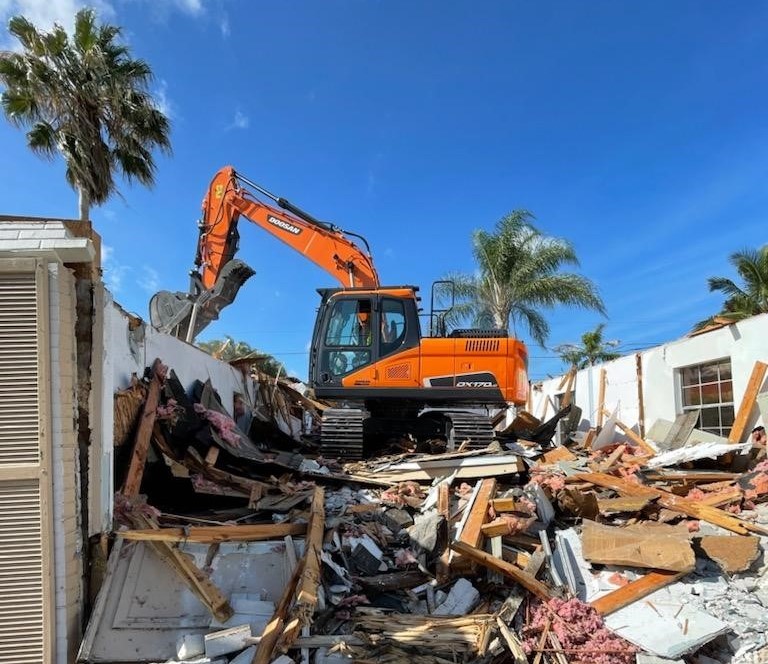
The selective demolition process involves a mindful and methodical method to getting rid of certain interior elements of a structure. This method is generally employed to maintain the stability of bordering areas while targeting only those aspects that require elimination or replacement. Originally, a comprehensive evaluation is carried out to identify products and frameworks that are to be maintained or thrown out.
Next, the group implements a comprehensive plan, laying out safety measures and procedures to mitigate risks associated with dirt, debris, and potential risks. Specialized tools and equipment are often utilized to assure accuracy in taking down wall surfaces, ceilings, or fixtures without affecting the overall building structure.
Throughout the procedure, particles is handled responsibly, with proper disposal approaches followed according to regional policies. This precise approach not just lessens interruption but additionally advertises ecological sustainability by enabling for the recycling of salvageable materials.
Picking the Right Contractor for Your Job
Selecting a qualified professional for interior selective demolition is necessary for task success. Secret aspects to consider consist of validating the service provider's experience and experience, ensuring they possess the necessary licensing and insurance coverage, and requesting thorough quotes to comprehend the range and prices included. These actions can assist guarantee a smooth city demolition and reliable demolition process.
Verify Experience and Experience
Choosing a service provider industrial demolition companies with tested experience and expertise is crucial for making certain a successful indoor selective demolition job in Los Angeles. A service provider's track document in comparable projects can give beneficial understandings into their capabilities. Performing detailed study is vital; prospective customers must evaluate profiles, seek testimonials, and assess past task results. Additionally, engaging in meetings can reveal a service provider's approach to analytical and task monitoring. It is likewise advantageous to ask about their knowledge with local policies and finest techniques, as this knowledge can significantly influence job performance and safety and security. Inevitably, choosing a contractor with the best blend of experience and know-how not just boosts the top quality of the work but likewise cultivates a smoother demolition process.
Inspect Licensing and Insurance Policy
Verifying that a specialist possesses the essential licensing and insurance is important for any kind of indoor selective demolition job in Los Angeles. Certified specialists demonstrate adherence to neighborhood laws and criteria, which is necessary for keeping security and high quality throughout the demolition procedure. Furthermore, proper insurance coverage safeguards both the specialist and the property proprietor from prospective liabilities, such as crashes or damages that might take place throughout the project. Customers must verify the service provider's permit via the California State Permit Board and request proof of insurance coverage to assure adequate insurance coverage degrees. By verifying these qualifications, homeowner can minimize dangers and select a specialist that is certified and economically accountable, thus fostering a smoother and more safe and secure demolition experience.
Demand Thorough Quotes
After confirming licensing and insurance, the following step includes getting in-depth estimates from prospective contractors. This procedure is vital for comprehending the extent of job, connected expenses, and timelines. Property owners should request price quotes that damage down concrete cutting demolition labor, materials, and any kind of additional charges to assure openness. It is recommended to contrast at the very least 3 estimates to evaluate the marketplace price and recognize any type of inconsistencies. Clear communication is crucial; specialists should clear up any uncertainties relating to project specifics. In addition, seeking recommendations or assessing past work may supply insight right into the service provider's integrity and quality. By carefully evaluating these estimates, homeowner can make educated decisions, eventually picking the professional finest fit for their interior selective demolition project in Los Angeles.

Regularly Asked Questions
For how long Does an Indoor Selective Demolition Job Generally Take?
Normally, an interior selective demolition project can take anywhere from a few days to numerous weeks, depending upon factors such as the job's dimension, complexity, and the particular materials being gotten rid of or changed.
Is Interior Selective Demolition Ecologically Friendly?
Interior selective demolition can be ecologically friendly, as it promotes reusing and recycling products, decreases garbage dump waste, and lessens total ecological influence. Correct methods enhance sustainability while protecting important resources during the demolition process.
What Permits Are Needed for Selective Demolition in Los Angeles?
In Los Angeles, selective demolition calls for numerous licenses, consisting of a demolition license, environmental review documentation, and possibly asbestos or lead clearance authorizations, depending upon the materials involved. Compliance with neighborhood guidelines is necessary for job approval.
What Precaution Are Taken Throughout the Demolition Refine?
During the demolition procedure, precaution include assuring architectural security, using individual safety equipment, implementing dirt control techniques, conducting hazard assessments, offering worker training, and sticking to regulative guidelines to guarantee and lessen risks safety.
Can I Stay In My Home During Interior Selective Demolition?
Living in a home throughout interior selective demolition is usually possible, but it depends upon the extent of the job. Dust, noise, and safety and security problems may require momentary moving for comfort and security.
Additionally, selective demolition usually leads to cost financial savings, as it gets rid of the demand for comprehensive renovation or full-scale demolition. Picking a certified professional for interior selective demolition is necessary for project success (legendary demolition los angeles reviews). Picking a professional with tested experience and competence is vital for making sure an effective indoor selective demolition task in Los Angeles. Validating that a professional has the necessary licensing and insurance coverage is crucial for any kind of indoor selective demolition job in Los Angeles. In Los Angeles, selective demolition calls for numerous permits, including a demolition permit, environmental review documents, and potentially asbestos or lead clearance permits, depending on the products entailed